Flavour Balance: Part 1
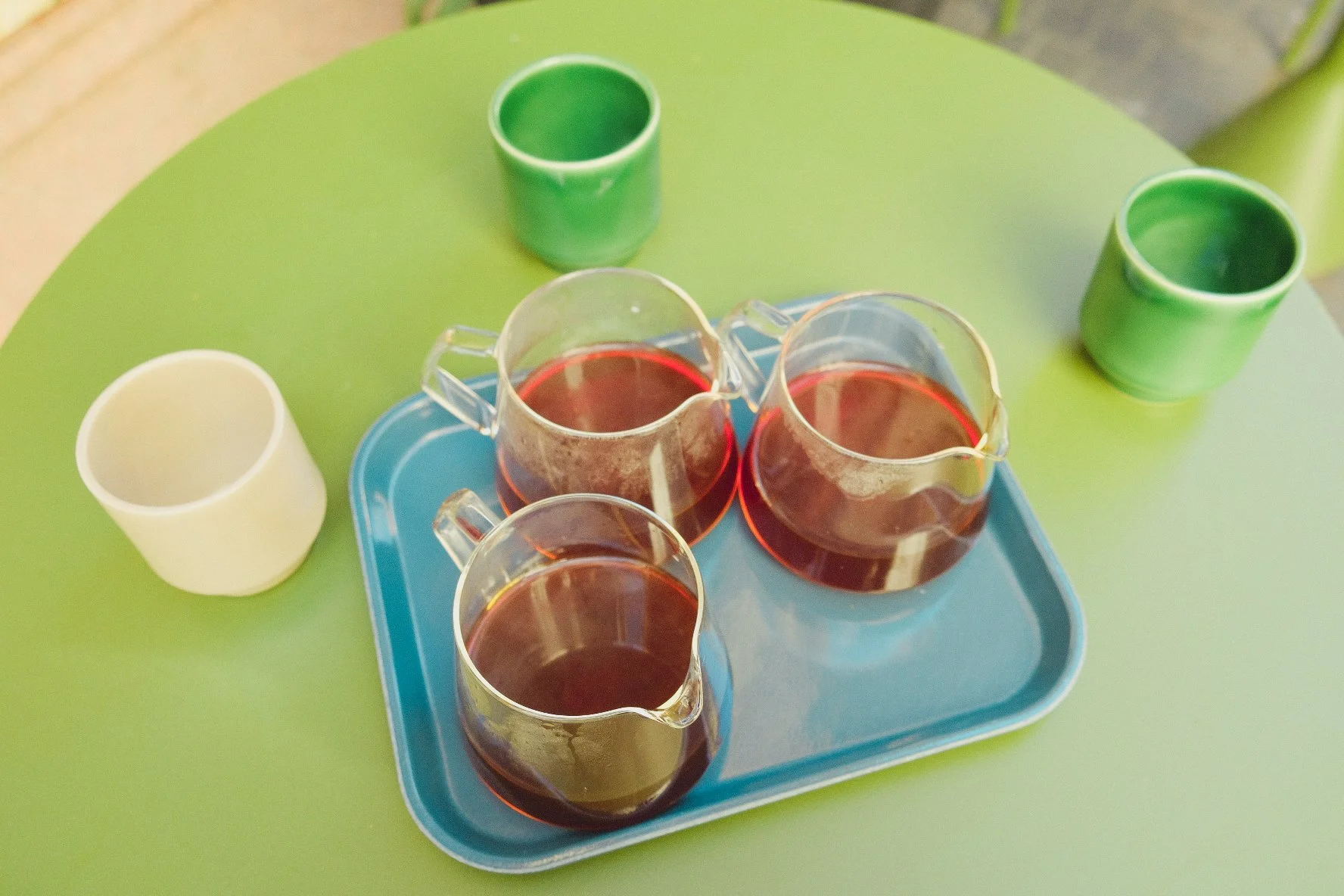
Imagine you are drinking the perfect coffee. The right sweetness, mouthfeel, acidity, and aftertaste — everything in proportion. Now imagine being able to recreate that balance consistently, regardless of origin or processing method. Not the specific flavour experience, which will always vary, but the underlying balance. This distinction matters. Acidity, sweetness, mouthfeel, and aftertaste are each shaped by the roasting process and the extraction that follows. A sensory experience only becomes possible when the roasting process has made the right solubles available, and the extraction has captured them in the right proportion.
Four years of data suggests that roast degree — measured through color analysis — in correlation with extraction yield and total dissolved solids, has a high degree of preference predictability. Simply put: if you measured the roast color and refractometer readings of your perfect cup, calculated the extraction yield, and then recreated those specifications with a different raw coffee, the probability of enjoying that cup would be very high. The coffee would taste different. The balance would feel familiar.
This idea tends to meet a familiar objection. In conversations with equipment manufacturers, roasteries, coffee academies, and baristas, the variability of coffee as a product tends to dominate the discussion — every coffee reacts differently to roasting due to processing method, density, and moisture content, and therefore universal standards cannot apply. What I am proposing is not a universal roast profile. It is a clear and measurable target for repeatable enjoyment. Adapting roast profiles to achieve a specific shared outcome is a meaningful step toward consistency, a clearer understanding of personal preference, and more intentional brew design.
What the Numbers Actually Represent
Roast color, total dissolved solids, and extraction yield are not arbitrary metrics. Each one represents a specific stage in the journey from raw coffee to finished cup. Roast color tells you how far the roasting process has transformed the cellular structure and chemical composition of the bean — and by extension, which solubles have been developed and which have been diminished. Total dissolved solids tell you how much of that transformed material ended up in the cup. Extraction yield tells you what percentage of the coffee's total mass was dissolved in the brewing process.
Together, these three measurements describe not just a cup of coffee, but a decision. A decision made across two separate processes — roasting and brewing — that are more connected than they are often treated. A roast color without a corresponding extraction target is an incomplete instruction. An extraction yield without a roast color reference is a number without context.
This is the foundation of what I am proposing. Not a formula that removes the craft from coffee, but a shared language that makes craft repeatable. The roaster who understands where their color sits, and the barista who understands what extraction yield that color is asking for, are working toward the same cup — whether they are in the same room or not.
In Part 2 we will look at how to establish your own preference target using these measurements, and how to use that target to design roast profiles and brew recipes with a shared and repeatable outcome in mind.
